

Speed matters in iGaming, but speed without control is expensive. If you want to know how to launch an online casino, the real question is not just how fast you can go live – it is how fast you can launch with the right licensing path, payment coverage, content mix, and backend infrastructure to operate reliably from day one.
Too many operators lose months stitching together separate vendors for platform, games, payments, KYC, fraud tools, and reporting. That approach can work, but it often creates integration drag, uneven accountability, and operational blind spots. A stronger model is to design the business around launch readiness first, then build for scale.
How to launch an online casino with the right market model
Before platform demos or game selection, define the commercial model. Are you entering a regulated local market, operating under an existing licensing structure, or targeting multiple jurisdictions over time? That decision changes almost everything – legal setup, onboarding flows, payment methods, bonus logic, and even which game studios you can carry.
There is no universal path. A startup brand entering one market may prioritize a turnkey launch with fast deployment and a narrow but proven content portfolio. A larger operator with existing assets may want deeper customization, migration support, and tighter integration into internal CRM and reporting systems. Both are valid, but they require different technical and operational planning.
You also need to decide early whether your product is casino-only or part of a broader betting brand. If sportsbook, crash games, live casino, or social features are on the roadmap, the platform architecture should support them upfront. Retrofitting major product modules later is usually slower and more expensive than planning for them at the start.
Licensing, compliance, and operational readiness
Launching an online casino is not just a product exercise. It is a regulated operating model. That means your legal and compliance workstreams need to move in parallel with your technology build.
The licensing path depends on the market you want to serve. Some operators pursue direct licenses in target jurisdictions. Others begin under white-label or partner structures to reduce time to market. The trade-off is control. Direct licensing gives you stronger long-term ownership and potentially better margins, but it takes more time and internal capability. A white-label route can accelerate launch, but you may accept limits around product flexibility, geography, or commercial structure.
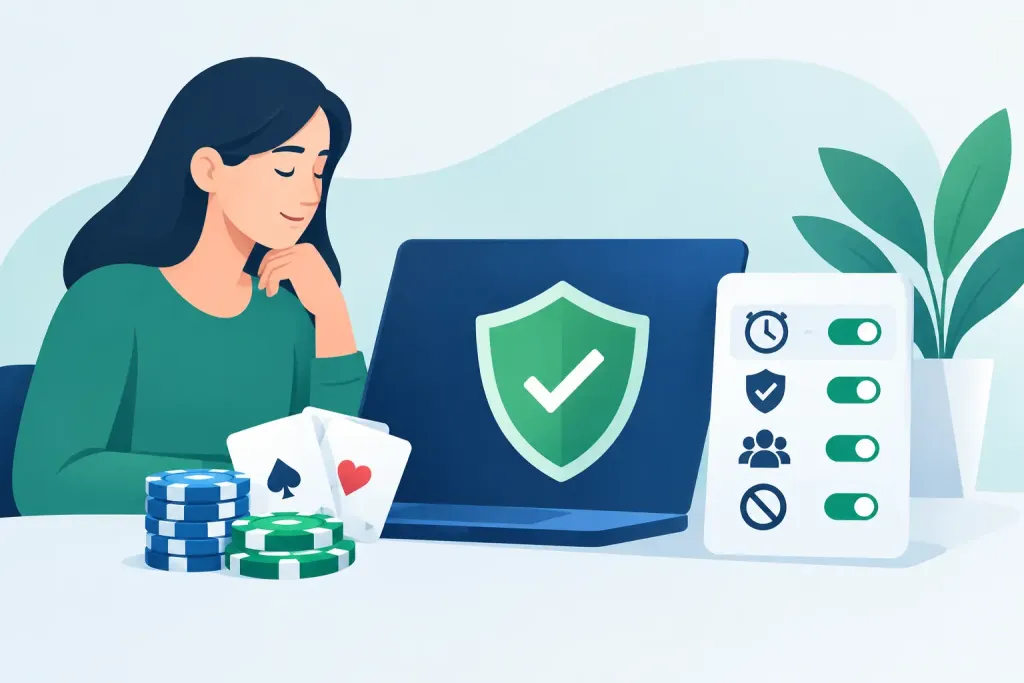
Compliance is not a box to check late in the process. Your platform should support KYC, AML controls, responsible gaming settings, account verification, transaction monitoring, and audit-ready reporting from the beginning. If these functions rely on disconnected tools with weak data flow, your operations team will spend too much time reconciling systems instead of managing growth.
This is where many launches slow down. Founders often focus on front-end design and game count, while regulators and payment partners focus on customer verification, fund security, controls, and data integrity. The backend decides whether the business can actually run.
Choosing the platform: turnkey, white-label, or custom
The platform is the core decision in how to launch an online casino efficiently. Most operators are choosing between three models: turnkey, white-label, or custom-built infrastructure.
A white-label setup is usually the fastest route to market. It works well when the goal is to validate a brand, test acquisition, or enter quickly with lower technical overhead. The downside is that control can be limited, especially around roadmap ownership, custom mechanics, and regulatory flexibility.
A turnkey platform offers a stronger middle ground. You get the core infrastructure – player account management, wallet, cashier, bonus engine, content integrations, back office, reporting, and often compliance modules – while retaining more ownership over branding, operations, and future expansion. For many serious operators, this is the most commercially balanced option.
A fully custom platform makes sense when you have unique product requirements, internal development resources, and a long investment horizon. It also brings the highest execution risk. Building core gaming infrastructure from scratch is rarely the fastest way to establish market presence unless you already operate at significant scale.
For most new entrants, the better question is not whether custom is possible. It is whether building internally creates a competitive advantage that justifies the delay. In many cases, it does not.
Content aggregation and game portfolio strategy
Games drive retention, but content strategy is more than adding the largest possible library. A high-volume catalog is useful only if it is commercially aligned with your market, certification needs, and player preferences.
Aggregation simplifies this. Instead of negotiating and integrating each studio one by one, operators can access multiple providers through a unified API and a single technical framework. That reduces integration time, shortens testing cycles, and makes portfolio expansion easier after launch.
The right mix depends on your audience. Some markets over-index on slots and jackpots. Others respond better to live dealer, table games, or localized content. If you are launching in a region where payment trust and brand familiarity matter, well-known game studios can support early conversion. If your strategy is margin-led, exclusive or less commoditized content may become more important later.
This is also where technical consistency matters. Aggregated content should still perform like a unified product. Session stability, wallet synchronization, game loading speed, and mobile optimization directly affect revenue. A broad portfolio means little if the player experience feels fragmented.
Payments, wallets, and cashier performance
Payments are often treated as a final integration. In practice, they should be part of the launch blueprint from the start. Deposit success rate, withdrawal speed, currency support, and fraud controls all shape player trust and lifetime value.
A strong cashier needs to handle local payment methods, cards, alternative payments, and in many cases crypto readiness. It also needs to support risk rules, transaction monitoring, and smooth reconciliation for operations teams. If the payment layer is unstable, acquisition spend is wasted quickly.
The wallet architecture matters just as much. A unified wallet across casino content improves usability and reporting. Multi-currency support becomes critical if you plan to scale across markets. So does provider coordination. When payments, wallet logic, and gaming integrations sit inside one infrastructure model, operational complexity drops.
This is one of the clearest advantages of working with a consolidated technology partner. You reduce the number of failure points across cashier, content, and back-office operations.
Backend control is what makes the business scalable
A launch can look polished on the front end and still struggle operationally. The back office is what determines whether your team can manage users, monitor performance, segment players, configure bonuses, review risk activity, and act on commercial data without constant manual intervention.
Look closely at admin permissions, campaign controls, reporting depth, and user management workflows. Can your team act quickly on VIP segmentation? Can finance reconcile payment activity without exporting data from multiple systems? Can support investigate account issues in one view? These are not secondary questions. They affect staffing, retention, and margin.
Scalability also means infrastructure resilience. Traffic spikes, tournament activity, major sports events, or regional campaigns can stress systems fast. High uptime, low-latency performance, and certified architecture are not just technical selling points. They protect revenue.
Launch planning: what the timeline really depends on
Operators often ask for a single launch timeline. The honest answer is that it depends on licensing, payment approvals, content certification, and the amount of customization you want.
A relatively standard white-label deployment can move quickly if market scope is narrow and required integrations are already in place. A branded turnkey launch with custom UX, local payment methods, and a broader provider set will take longer, but it may create a better operating position. A custom build is the longest path and usually requires phased release planning.
What accelerates launch is not cutting corners. It is reducing dependency chains. When content, cashier, back office, and core player management are already designed to work together, fewer delays appear during QA, certification, and go-live preparation. That is why vendor consolidation matters so much in iGaming.
Gameifylabs approaches this problem from the infrastructure side: reduce fragmentation, shorten technical deployment cycles, and give operators the control to launch branded products without managing a patchwork stack.
How to launch an online casino without creating future bottlenecks
A good launch plan solves for month one and month twelve at the same time. That means choosing technology that supports market expansion, provider growth, payment localization, compliance updates, and product additions without forcing a rebuild.
The common mistake is optimizing only for initial launch speed. If your architecture cannot support more jurisdictions, more content, or more transaction volume, every growth step becomes a re-platforming problem. That is avoidable.
The operators that scale well usually make a few disciplined decisions early. They choose a platform with proven uptime, a flexible API layer, integrated back-office controls, and payment infrastructure built for multiple markets. They treat compliance as part of product design. And they avoid stacking vendors unless there is a clear commercial reason.
If you are evaluating how to enter the market, focus less on what looks fastest in a sales deck and more on what will still be stable after your first growth spike. The best launch is not the one that goes live first. It is the one that gives your business room to keep moving.

DiscussionHave a technical perspective or question?Open discussion